
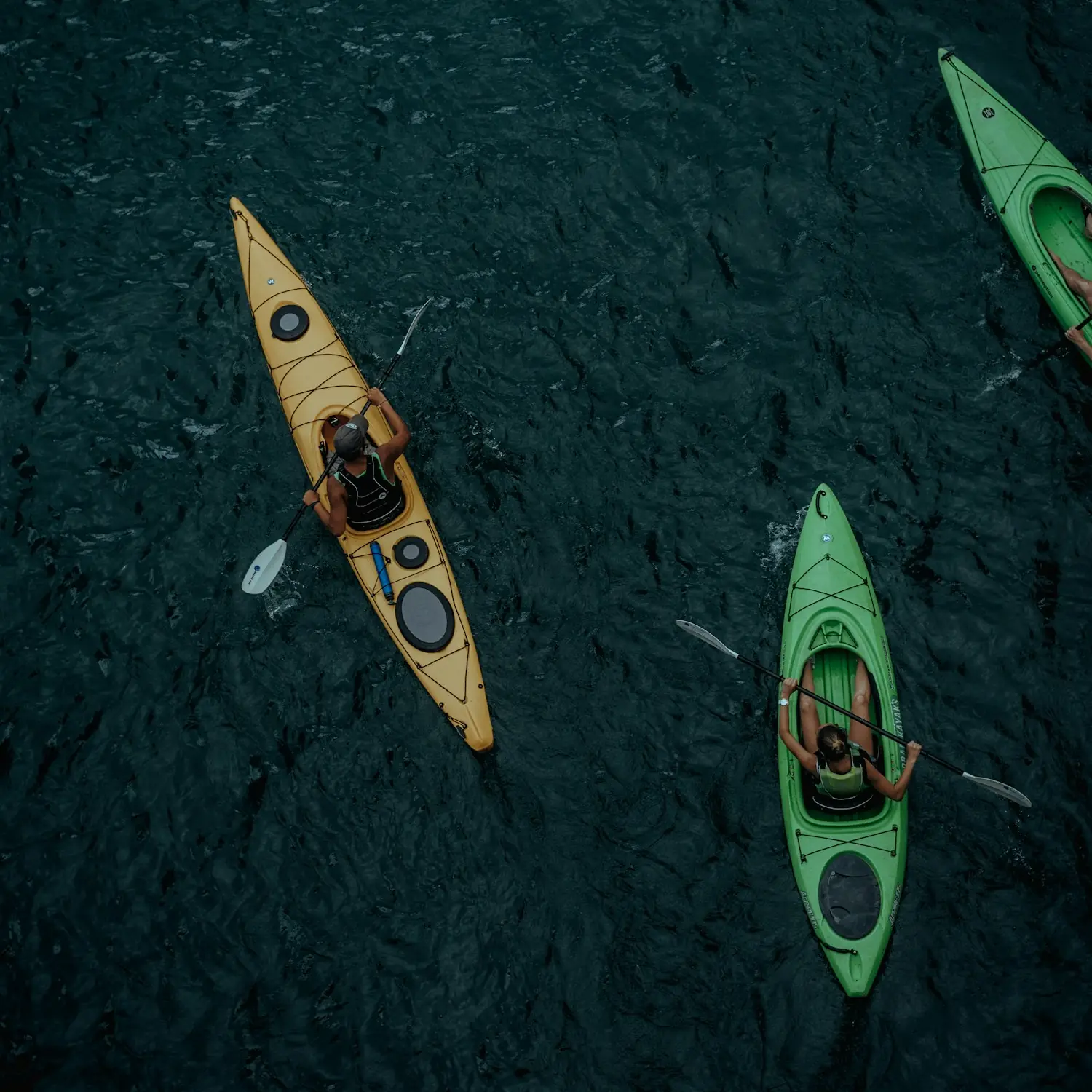
Sea cave explorer
2.5 hours, beginners welcome. Paddle into caves and under arches.
€65 pp
Someone finds you on their phone, often from another country, often already comparing three other places. Your site has seconds to look trustworthy, show availability, and make booking direct — not through a platform taking a cut — the obvious choice.
An Irish business with minimal online presence and heavy reliance on third-party platforms. A new site, proper local SEO and Google Business Profile work delivered a 405% increase in organic traffic — and a growing share of direct, commission-free bookings.
A concept for a made-up sea kayaking company, Seastack. Each trip shows its length, level and price, availability is live, and the total updates as you add people. Try it: tap Book on a trip, then pick a date and the number of paddlers on the phone.
Concept design · not a real business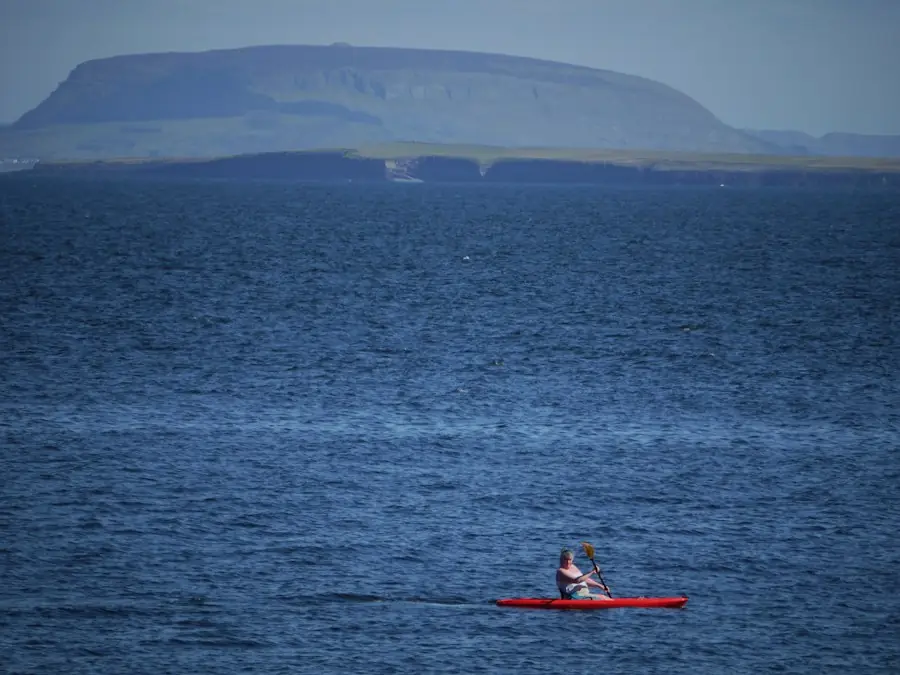
Paddle the wild Atlantic coast.
Guided trips for complete beginners and confident paddlers. All gear included, small groups, and a guide who knows the water.
Choose your trip
No experience needed for most trips.
Sea cave explorer
2.5 hours, beginners welcome. Paddle into caves and under arches.
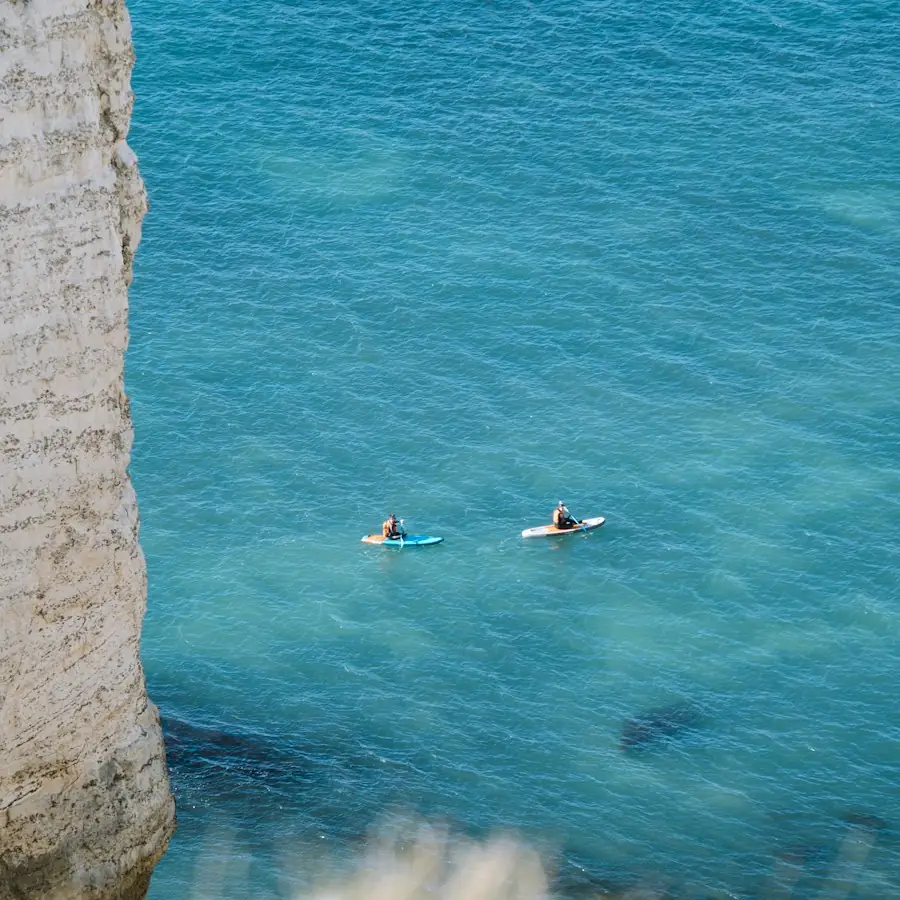
Sunset paddle
2 hours on calm water as the sun goes down.
Full-day expedition
6 hours, some experience. Lunch on a hidden beach.
Book your trip
Free rebooking if the weather turns.
You're booked
Tap Book on a trip in the browser window, then choose a date and number of paddlers on the phone.
Duration, level and price on each trip, so visitors choose quickly from their phone.
Visitors plan on the go. Instant confirmation beats an email that arrives after they have booked elsewhere.
Weather, ages, what to bring. Answering the worries up front is what turns a maybe into a booking.
Most Irish tourism sites lean entirely on Booking.com or TripAdvisor, paying commission on every guest a good site could have converted directly. A site that loads fast, shows real availability and answers the obvious questions wins the direct booking.
Direct booking built in, or a clean link to the booking engine you already use
Real photography of rooms, views and activities — not stock images that could be anywhere
Fast load times on mobile data, since most visitors are searching on the move, often abroad
Clear answers to what people actually ask — parking, pets, check-in times, accessibility
Seasonal availability and pricing that's genuinely kept up to date
Nearby attractions and things to do, so you're part of planning the whole trip, not just one stop
Reviews shown on-site as well as on third-party platforms, building trust before anyone clicks away
Google Business Profile setup, decisive for “near me” and map-based tourist searches
Tourism decisions often happen mid-trip, on a phone, with patchy signal and other tabs open comparing you to the place down the road.
Every booking made through a platform is a slice of revenue gone. A site built to convert direct bookings pays for itself quickly.
Real photos, honest descriptions and visible reviews reassure someone who's never been to your part of Ireland before.
Seasonal search spikes reward sites that are already set up and ranking before the season starts, not scrambling once it has.
Every part of the business gets a clear place on the site, structured around real search terms — “B&B near [place] availability”, “things to do near [place]” — so the right visitor lands on the right page.
We talk through what's bringing in bookings today, how much relies on third-party platforms, and what the site needs to do first.
A fast, mobile-first site built around how visitors actually search and decide, with direct booking front and centre.
We launch, set up Google Business Profile properly, and grow local visibility with SEO ahead of your next season.
For tourism and hospitality, most first impressions happen on Google Search, Google Maps or a booking platform, not on the website itself — photos, reviews and availability all show up before anyone clicks through. If those details are wrong, outdated or missing, the website barely gets a chance.
A properly built site and a properly maintained Google Business Profile work together: accurate availability, photography that represents the place honestly, and reviews that keep landing because asking for them is part of the process. From there, the site's job is to make the direct, commission-free booking the easy choice.
Pairs well with social media ads for seasonal pushes, or see the main web design page for the full picture.
Because a large share of visitors are unfamiliar with the area, often searching from abroad, and often already comparing several options at once. The site has to build trust fast and make booking directly the obviously easier choice over a third-party platform.
Yes — whether you use a dedicated PMS booking engine, a widget from Booking.com's partner tools, or something else, it gets built into the site properly rather than just linked out to a page that looks nothing like your brand.
Usually yes, for reach — but the goal is to make your own site the better option for anyone who finds you there and looks you up directly, saving you the commission on those bookings.
Yes. The site is built so you can update seasonal pricing, availability and details yourself, alongside proper training on how to do it.
Most tourism and hospitality websites run in the low-to-mid four figures depending on scope, with optional monthly SEO or social media support ahead of peak season. Clear quote up front, no hidden retainers.
I'm based in Cork but work with tourism and hospitality businesses across Ireland. Most of the work happens remotely, with a clear brief at the start and ongoing check-ins.
Tell me a bit about the business and how much of your business currently relies on third-party platforms. I will come back within a working day, with honest thoughts.
Start the conversation